Chrysanthemum Species
Simplified Chrysanthemum Evolutionary Context
Click on nodes with ▶/▼ to expand/collapse branches.
Key References:
- Song A, Su J, Wang H, et al. (2023). Analyses of a chromosome-scale genome assembly reveal the origin and evolution of cultivated chrysanthemum. Nature Communications, 14(1), 2021.
- Funk, V. A., Susanna, A., Stuessy, T. F., & Robinson, H. (2009). Classification of Compositae. In V. A. Funk, A. Susanna, T. F. Stuessy, & R. J. Bayer (Eds.), Systematics, Evolution, and Biogeography of Compositae (pp. 171–189). International Association for Plant Taxonomy.
Chrysanthemum morifolium
Common Names
- Chinese: 菊花
- English: Chrysanthemum
- Scientific: Chrysanthemum morifolium
Taxonomy
Eukaryota; Viridiplantae; Streptophyta; Streptophytina; Embryophyta; Tracheophyta; Euphyllophyta; Spermatophyta; Magnoliopsida; Mesangiospermae; eudicotyledons; Gunneridae; Pentapetalae; asterids; campanulids; Asterales; Asteraceae; Asteroideae; Anthemideae; Artemisiinae; Chrysanthemum
Genome References
Song A, Su J, Wang H, et al. Analyses of a chromosome-scale genome assembly reveal the origin and evolution of cultivated chrysanthemum.Nat Commun. 2023;14(1):2021. Published 2023 Apr 11.
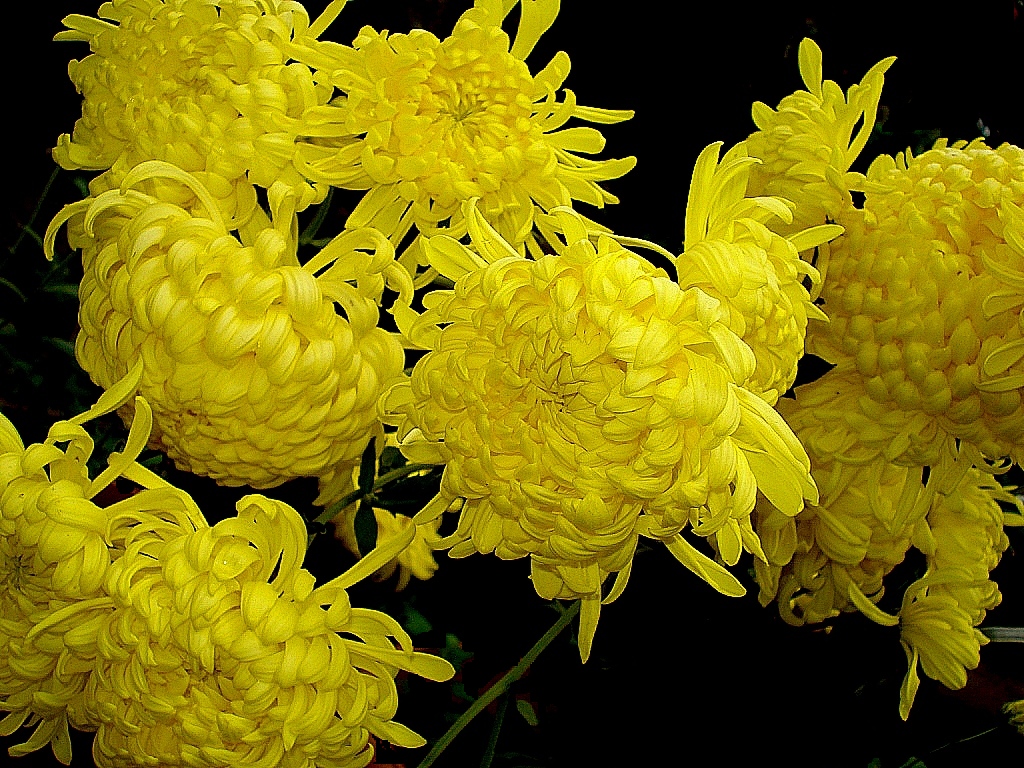
Chrysanthemum morifolium
Description
The plant is 30–90 centimetres (12–35 in) high and wide, which grows as a perennial herbaceous or slightly woody plant on the ground. The stems stand upright. The leaves are broad ovate in outline and wedge-shaped in the petiole, the length of the leaves is more than 150 mm (6 in). The lower leaves are plumed, further up the stems they are increasingly entire. Deciduous leaves appear in the spring. They are alternate, lobed pinnatifid and toothed. They are up to 12 cm long, fleshy and covered with gray hairs. They exhale a strong smell when they are wrinkled.